Rummy Gold APKs Editorial · Reviewed 30 October 2026
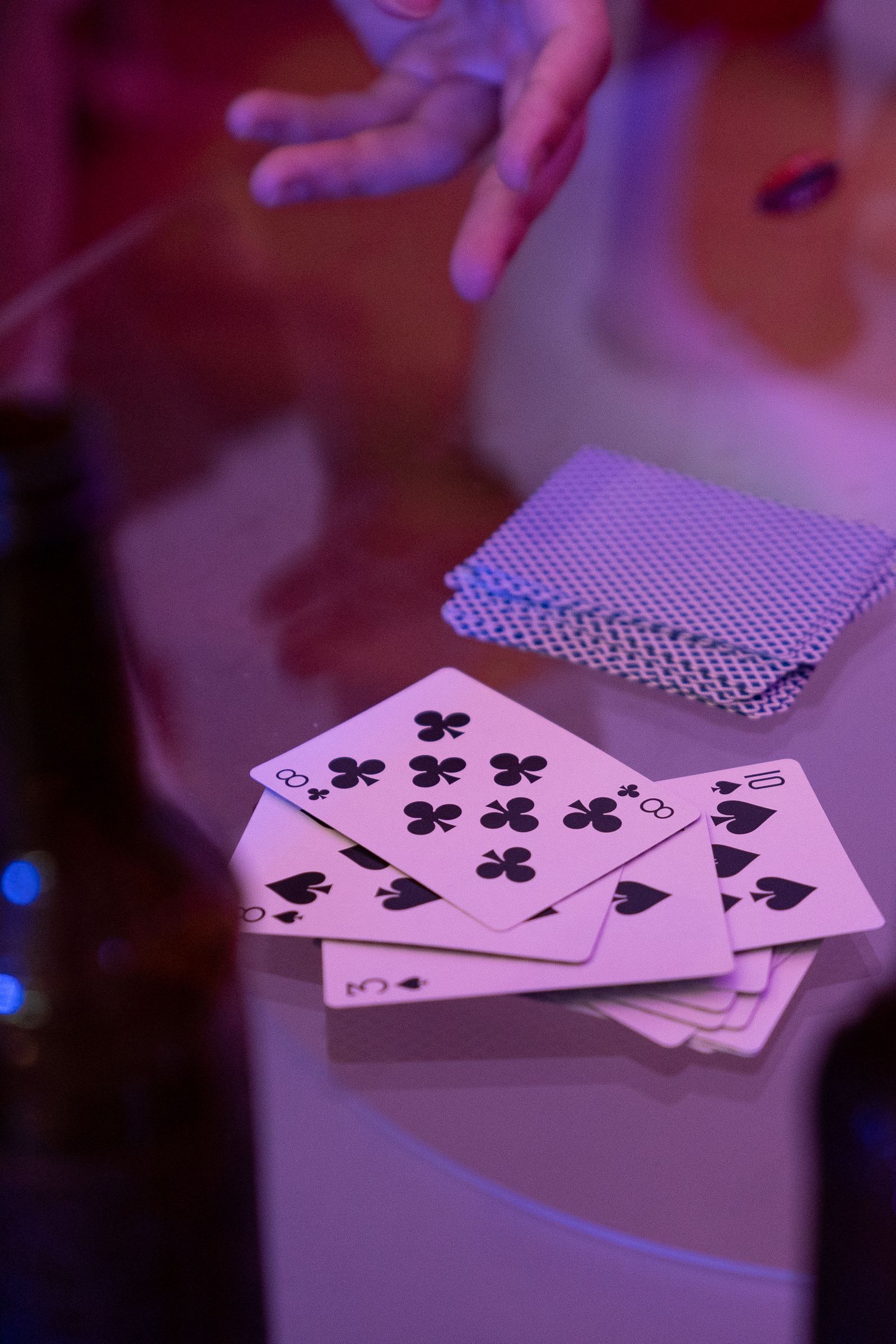
A pure sequence uses consecutive cards of one suit without a joker substituting for a missing card. A set uses the same rank in different suits. For the standard 13-card learning example below, build at least two sequences, keep one pure and allocate every card once.
Three patterns that look similar but do different jobs
The first distinction is between rank and suit. Rank is the number or face value; suit is clubs, diamonds, hearts or spades. Three red cards are not automatically a sequence. For example, 5♥, 6♦ and 7♥ have consecutive numbers but mixed suits. The colour makes the group look tidy while the suits make it invalid as a run.
Here the ranks increase one at a time and every card is hearts. Nothing is standing in for a missing card. Now compare 5♥, Joker, 7♥: the joker represents 6♥, so the group is a sequence with a substitution. It can be useful, but it does not provide the no-substitution sequence required by the usual declaration rules.
A set works differently. Q♣, Q♥ and Q♦ share a rank and use different suits. Q♣, Q♣ and Q♦ contain a duplicate suit. With multiple decks, identical-looking cards can exist in your hand, but that does not turn repeated suits into a valid set.
A complete hand, counted as 3 + 3 + 3 + 4
This is an original teaching example, not a screenshot or a reproduction of a particular deal. Check the rule panel at your chosen table if it applies extra conditions.
The first group supplies a pure sequence. The second uses a joker for 10♥. The third is a set of queens, and the last is another pure sequence. The groups contain thirteen cards altogether. Each card belongs to one group only; the 6♣ in the first run cannot also be borrowed into a different group.
Why a promising hand can still fail
| Mistake | Why it matters | How to check it |
|---|---|---|
| Two sets and one long run | You may still lack the required second sequence | Count sequences separately from completed groups. |
| A joker in every run | No run remains pure | Reserve one unbroken same-suit run without substitution. |
| Thirteen cards before the final discard | The turn may still require a draw or discard step | Follow the table’s turn and declaration controls in order. |
| One loose card hidden at the edge | Not every card is assigned | Count group sizes and inspect the entire hand. |
Use the joker where it completes a job
Imagine holding 7♠ and 9♠, plus a joker. That joker can complete a three-card run by representing 8♠. But if you already have an unbroken 7♠, 8♠, 9♠, moving the joker into that group adds no missing rank. Ask which incomplete group benefits most, while keeping the pure run intact.
A selected wild rank can introduce an extra distinction: a card may be a joker for the round, while a printed joker is visibly marked as one. Read the table’s explanation of the selected rank. If the app allows a wild-rank card to serve at its natural position in a pure run, its treatment should be confirmed in those rules; do not infer it from colour or a generic internet diagram.
A short practice routine before faster tables
- Identify the pure run in your hand and say its suit and ranks aloud.
- Mark your second sequence before counting sets.
- Count the cards in all groups; the total must match the hand required at the end of the turn.
- Inspect duplicate suits in sets and gaps in sequences.
- Check that the final discard or declaration action is the one the current interface requests.
Practise this check without a timer first where the app offers a suitable learning route. The point is to understand the grouping logic, rather than memorise a single hand. A valid arrangement is a rules question; no arrangement or strategy guarantees a favourable deal or the outcome of a later match.
Method: official product and help information, with original examples and checklists. Read our editorial policy.